Greece's Efforts in Preserving Cultural Heritage Amid Modernization
Greece's Efforts in Preserving Cultural Heritage Amid Modernization
Greece, the cradle of Western civilization, is known for its rich and illustrious cultural heritage, from the classical temples of Athens to Byzantine mosaics and Hellenistic sculptures. For millennia, Greece has held a special place in the world's historical and cultural landscape. However, as the world becomes more interconnected and modernization accelerates, Greece faces the challenge of preserving its cultural heritage while balancing contemporary needs. This tension between preservation and modernization raises important questions about identity, sustainability, and the future of cultural heritage in a fast-changing world .
In this article, we will explore Greece's efforts in preserving its cultural heritage amid the pressures of modern development. We will examine the importance of Greece's cultural legacy, the threats posed by modernization, and the various initiatives—both governmental and grassroots—aimed at safeguarding the country's priceless cultural assets.
The Significance of Greece's Cultural Heritage
To understand the magnitude of the task facing Greece in its preservation efforts, it is essential to first appreciate the depth of the country's cultural heritage. Greece's history spans over 3,000 years, influencing every facet of Western civilization, from philosophy, politics, and science to art, architecture, and religion. The ancient Greek world was home to philosophers like Socrates and Aristotle, poets like Homer, and mathematicians like Euclid and Pythagoras, whose works laid the foundation for countless intellectual traditions.
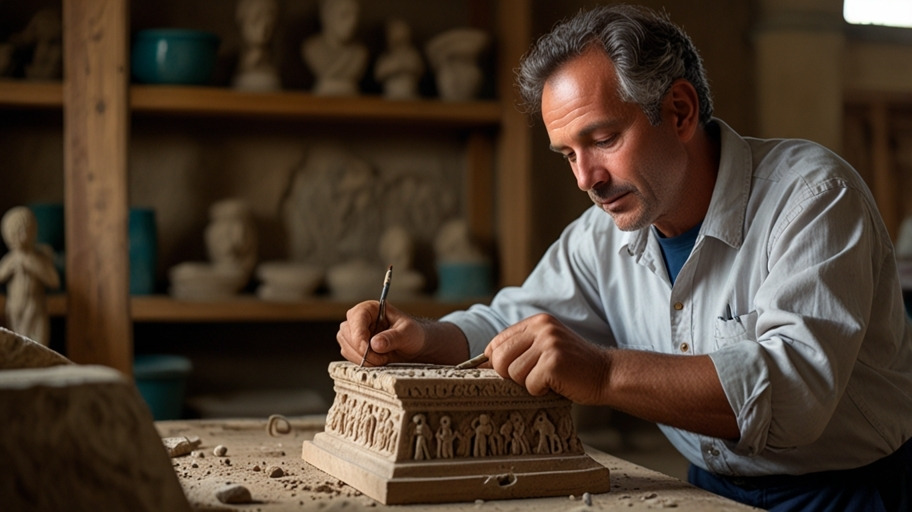
The architectural and artistic achievements of ancient Greece are exemplified by structures such as the Parthenon, the Temple of Hephaestus, and the ancient theater of Epidaurus. These sites are not just national treasures; they are universal symbols of human achievement, inspiring awe and reverence. In addition to these iconic monuments, Greece is home to numerous museums, archaeological sites, and religious buildings from the Byzantine, Medieval, and Ottoman periods.
Cultural heritage, however, is not limited to material objects. Greece's intangible cultural heritage includes traditions, customs, music, language, and crafts that have been passed down through generations. Whether it is traditional Greek dance, folk music, or religious festivals, this intangible heritage forms a significant part of the nation's cultural identity.
The Challenges of Modernization
In the 21st century, Greece's cultural heritage faces numerous challenges, primarily linked to modernization, urbanization, and global connectivity. While economic development is crucial for the well-being of the population, it can sometimes come at the expense of historical preservation. Key challenges include:
- Urbanization and Infrastructure Development : The rapid growth of cities, particularly Athens, has led to the expansion of infrastructure such as roads, railways, and commercial buildings. In some cases, archaeological sites are threatened by encroaching development, and urban sprawl has led to the neglect or destruction of ancient structures.
- Tourism Pressure : Greece's historical sites are a significant draw for tourists, contributing heavily to the national economy. However, excessive tourism can have a negative impact on these fragile sites. The Parthenon, for example, receives millions of visitors each year, which increases the risk of erosion and physical damage. The tension between tourism and preservation is particularly acute on Greek islands such as Santorini and Rhodes, where ancient ruins coexist with modern tourist infrastructure.
-
Environmental and Climate Change Threats : Greece is vulnerable to the effects of climate change, including rising temperatures, extreme weather events, and rising sea levels. These changes can pose direct threats to Greece's heritage sites, particularly coastal ruins and monuments. , earthquakes, and floods could further damage the country's vulnerable archaeological heritage.
- Modernization of the Cultural Experience : With the rise of digital technology and globalized media, the way people interact with cultural heritage has changed. Virtual tourism, digital reconstruction, and online exhibitions offer new opportunities for sharing Greece's cultural wealth with the world. However, these innovations also present the challenge of ensuring that the essence and authenticity of the experience are not lost in translation.
Greece's Preservation Efforts
Despite the numerous challenges, Greece has taken steps to safeguard its cultural heritage in the face of modernization. These efforts are out at various levels—through governmental policies, international cooperation, local community initiatives, and technological advancements.
Governmental Policies and Legal Framework
The Greek government has enacted a comprehensive legal framework designed to protect the country's cultural heritage. This framework is rooted in both national laws and international conventions to which Greece is a signatory, including UNESCO's Convention for the Protection of Cultural Property in the Event of Armed Conflict (1954) and the Convention Concerning the Protection of the World Cultural and Natural Heritage (1972).
Key national laws include the Law on Antiquities and Cultural Heritage (2002), which places the responsibility for protecting Greece's cultural assets firmly in the hands of the state. Under this law, any archaeological discovery must be reported to the Ministry of Culture, which has the authority to designate protected zones around heritage sites and regulate construction activities in those areas. The ministry also oversees the licensing of archaeological excavations and restorations to ensure that they are conducted according to scientific standards.
In recent years, the Greek government has increased funding for the protection of heritage sites, including the restoration and maintenance of monuments, museums, and libraries. Major restoration projects include the ongoing efforts to preserve the Acropolis of Athens and the sanctuary of Delphi, both of which are UNESCO World Heritage Sites.
International Cooperation and Funding
Greece's cultural preservation efforts have also been bolstered by international cooperation and funding. UNESCO's World Heritage program provides resources and expertise for the preservation of World Heritage Sites, of which Greece has 18 inscribed locations. These include the Archaeological Site of Olympia, the medieval city of Rhodes, and the monasteries of Meteora.
The European Union (EU) has also played a critical role in supporting Greece's cultural sector. EU funds have been allocated to conservation projects across the country, particularly through the European Regional Development Fund (ERDF) and the Cultural Heritage in Action program. One notable EU-funded initiative is the Cultural Routes of the Council of Europe , which includes the "Routes of the Olive Tree" and the "Routes of the Byzantine Empire" that highlight Greece's historical contributions.
Greece has also benefited from bilateral cooperation with countries such as Italy, Germany, and the United States, which provide both financial aid and technical assistance for heritage preservation projects. Through these partnerships, Greece has been able to access advanced conservation technologies, including 3D scanning , digital restoration, and virtual reality tools.
Community Involvement and Grassroots Movements
Local communities play an indispensable role in the preservation of Greece's intangible cultural heritage. Across the country, grassroots movements and non-governmental organizations (NGOs) have emerged to promote the safeguarding of traditions, crafts, and local knowledge. Initiatives such as the Greek Cultural Heritage Network connect local communities with experts in archaeology, architecture, and cultural management to raise awareness of heritage preservation.
Traditional festivals, such as the Panagia of Tinos pilgrimage and the Thessaloniki International Film Festival , showcase both the old and the new, merging time-honored customs with contemporary artistic expressions. These community-led efforts ensure that cultural heritage is not only preserved in museums but also lived and experienced in everyday life.
Technological Innovations in Heritage Preservation
One of the most exciting developments in cultural heritage preservation is the use of new technologies. Greece has embraced digital tools to document, preserve, and present its rich heritage to a global audience. The Greek Ministry of Culture has initiated several digital projects to map archaeological sites and create virtual tours of museums and historical landmarks.
One of the most prominent initiatives is the Acropolis Restoration Project , which uses laser scanning, photogrammetry, and 3D modeling to digitally reconstruct the Parthenon and other ancient structures. These technologies allow conservators to monitor the condition of monuments in real-time and make more informed decisions about restoration work.
In addition to physical preservation, these technologies provide a platform for global access to Greece's cultural heritage. The Google Arts & Culture platform , for instance, offers virtual tours of the Acropolis Museum and the National Archaeological Museum of Athens, allowing users from around the world to engage with Greek history and culture in unprecedented ways. Similarly, Greece's participation in the Europeana project has led to the digitization of thousands of cultural artifacts, making them available online for research and educational purposes.
Sustainable Tourism Initiatives
Recognizing the impact of mass tourism on its cultural sites, Greece has made efforts to promote sustainable tourism practices. The Greek National Tourism Organization (GNTO) has launched campaigns aimed at encouraging tourists to visit lesser-known historical sites and explore cultural heritage beyond the overcrowded areas like the Acropolis or Santorini.
Sustainable tourism strategies focus on preserving the integrity of cultural sites by regulating visitor numbers, promoting off-season tourism, and involving local communities in tourism management. The development of eco-friendly infrastructure and green tourism certifications has also become a priority to ensure that tourism does not harm Greece's environmental or cultural assets.
Conclusion: Balancing Heritage and Modernization
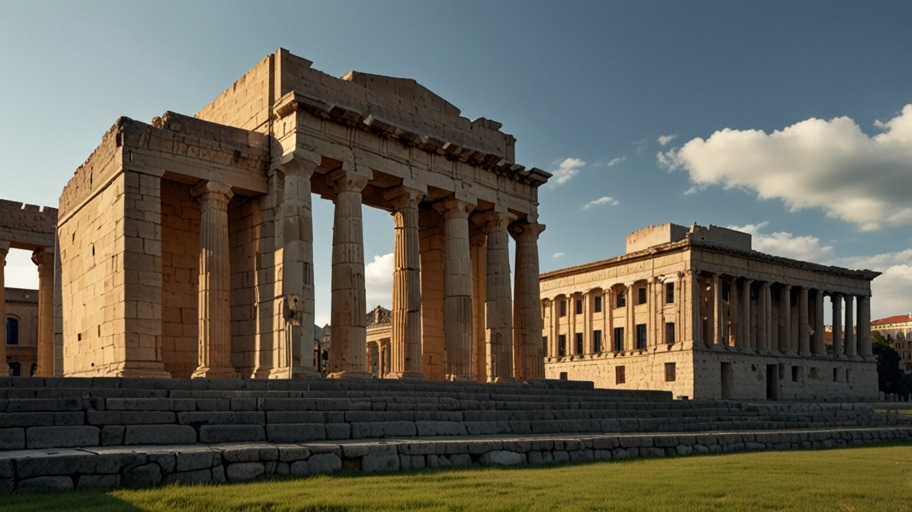
Greece's efforts in preserving its cultural heritage amid modernization reflect a delicate balancing act. On the one hand, the country must embrace development and modern technologies to support its growing economy and improve the quality of life for its citizens. On the other hand, the preservation of Greece's cultural heritage is essential for maintaining its unique identity and historical significance.
While modernization poses challenges, it also offers new opportunities for heritage conservation. By harnessing technological advancements, fostering international cooperation, and promoting community engagement, Greece is ensuring that its cultural heritage not only survives but thrives in the modern world. The future of Greece's heritage lies in the careful management of this balance, ensuring that its ancient past remains a living and vital part of its modern identity.