Greece's Debt Crisis: Where Does the Country Stand in 2024?
Greece's Debt Crisis: Where Does the Country Stand in 2024?
Greece's debt crisis, a term that has become almost synonymous with the economic struggles of a nation, represents a profound and multifaceted challenge that has spanned over a decade. As we stand in 2024, understanding the origins, developments, and current state of Greece's financial The situation offers crucial insights into both the resilience and vulnerabilities of national economies within the broader context of the Eurozone and global financial systems.
Historical Context: The Origins of the Crisis
The roots of Greece's debt crisis can be traced back to several key factors:
- Structural Weaknesses and Fiscal Mismanagement : Greece entered the Eurozone in 2001, but the structural weaknesses in its economy, including a large public sector, widespread tax evasion, and reliance on borrowing, laid a fragile foundation. Fiscal mismanagement, characterized by high public spending and inadequate revenue collection, exacerbated the problem.
-
Global Financial Crisis of 2008 : The 2008 global financial crisis was a significant trigger. It exposed the vulnerabilities of the Greek economy and led to a rapid increase in borrowing costs. By 2009, Greece's budget deficit had soared, and the country was effectively shut out of international bond markets.
- Revelations of Debt Levels : In 2009, the newly elected government revealed that the previous administration had significantly understated the country's budget deficit, which was actually over 12% of GDP. This revelation led to a loss of investor confidence and marked the beginning of Greece's debt crisis in seriousness.
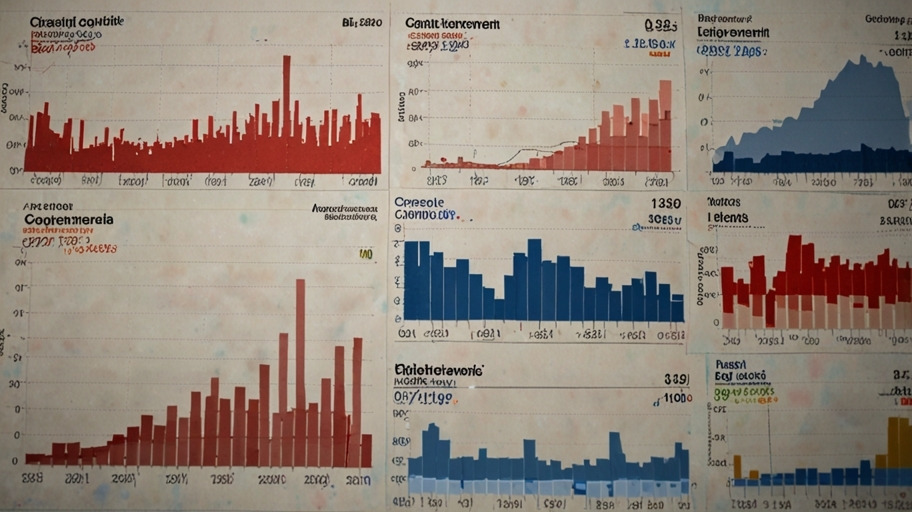
The Crisis Unfolds: Austerity and Bailouts
Faced with the possibility of default, Greece turned to the European Union (EU) and the International Monetary Fund (IMF) for assistance. Over the next few years, Greece received three major bailout packages totaling over €260 billion. These bailouts came with strict conditions, including severe austerity measures aimed at reducing the budget deficit and implementing structural reforms.
-
Austerity Measures : The austerity measures included significant cuts to public spending, tax hikes, pension reforms, and labor market liberalizations. While these measures were intended to restore fiscal stability, they also led to a deep recession. Unemployment soared, reaching over 27% at its peak, and many Greeks experienced severe financial hardship.
- Social and Political Turmoil : The austerity measures led to widespread social unrest and political instability. Protests and strikes became common, and several governments were unable to maintain public support. The crisis also saw the rise of new political movements, most notably the left-wing Syriza party, which opposed the austerity measures.
- Debt Restructuring : In 2012, Greece undertaken the largest sovereign debt restructuring in history. Private sector creditors agreed to take a 53.5% loss on the face value of their Greek government bonds. Despite this, Greece's debt-to-GDP ratio remained high due to the prolonged economic contraction.
Recovery and Progress: The Post-Bailout Era
By 2018, Greece had successfully exited its bailout programs, marking a significant milestone in its economic recovery. However, the road to recovery was long and fraught with challenges.
-
Economic Growth and Employment : Post-bailout, Greece's economy began to show signs of recovery. GDP growth returned, however at a modest pace, and unemployment rates started to decline. By 2024, the unemployment rate had fallen to around 12%, still high by EU standards but a significant improvement from the peak years of the crisis.
- Fiscal Discipline and Reforms : Greece continued to implement fiscal discipline and structural reforms. The government focused on improving tax collection, combating tax evasion, and creating a more business-friendly environment. These efforts aimed to attract foreign investment and stimulate economic growth.
- Tourism and Exports : Tourism remained a vital sector for the Greek economy. The country leveraged its rich cultural heritage and natural beauty to attract millions of tourists annually. Additionally, Greece sought to diversify its economy by boosting exports, particularly in sectors like agriculture and shipping .
- Debt Management : Greece's public debt remained a significant challenge. However, the country benefited from favorable terms on its debt, including low-interest rates and extended repayment periods, negotiated during the bailout years. The European Stability Mechanism (ESM) played a crucial role in providing financial stability.
The State of Greece's Economy in 2024
As of 2024, Greece's economic landscape presents a mixed picture of progress and ongoing challenges.
-
GDP Growth and Economic Stability : Greece's economy continues to grow, with GDP expected to increase by around 2.5% in 2024. This growth, while moderate, reflects a stable and improving economic environment. Key sectors like tourism, shipping, and agriculture contribute significantly to this growth.
- Unemployment and Labor Market : The unemployment rate, although reduced, remains a concern at around 12%. Youth unemployment is particularly high, highlighting the need for policies focused on job creation and skills development. Labor market reforms aim to increase flexibility and competitiveness.
- Public Debt : Greece's debt-to-GDP ratio, though lower than its peak, remains high at approximately 170%. Managing this debt sustainably is a priority. The government continues to negotiate favorable terms with its creditors and seeks to maintain a primary budget surplus to ensure debt servicing.
- Investment and Infrastructure : Greece is actively seeking to attract foreign investment to boost its economy. Efforts to improve infrastructure, including transportation and digital connectivity, are underway. These investments are essential for enhancing productivity and competitiveness.
- Social Welfare and Inequality : The economic crisis and subsequent austerity measures significantly impacted social welfare. Poverty rates increased, and income inequality remains a challenge. The government is working to address these issues through targeted social programs and reforms aimed at reducing inequality and supporting vulnerable populations .

Geopolitical and EU Relations
Greece's geopolitical position and its relationship with the EU play crucial roles in its economic future.
-
EU Support and Solidarity : Greece remains a committed member of the EU and the Eurozone. The support from EU institutions, particularly during the bailout years, was instrumental in stabilizing the economy. Ongoing collaboration with EU partners is essential for addressing future challenges.
- Regional Stability and Security : Greece's location in the Eastern Mediterranean makes it a key player in regional stability and security. The country's foreign policy focuses on maintaining good relations with neighboring countries and contributing to regional cooperation. Energy exploration in the Mediterranean is an area of growing interest, with potential economic benefits.
- Migration and Refugee Crisis : Greece continues to be a frontline state in the European migration and refugee crisis. Managing the influx of migrants and refugees, while ensuring humanitarian support and integration, remains a complex challenge. EU cooperation and support are critical in addressing this issue .
Challenges and Opportunities Ahead
Looking forward, Greece faces both challenges and opportunities in its ongoing recovery and development.
- Structural Reforms and Competitiveness : Continued structural reforms are necessary to enhance Greece's competitiveness. This includes reforms in areas such as public administration, judicial efficiency, and labor markets. Improving the business environment and reducing bureaucratic barriers are essential for attracting investment.
- Innovation and Technology : Embracing innovation and technology is vital for Greece's future growth. Investments in research and development, digital transformation, and education are key priorities. Fostering a culture of entrepreneurship and supporting startups can drive economic diversification.
- Climate Change and Sustainability : Addressing climate change and promoting sustainability are critical for Greece's long-term resilience. The country is vulnerable to climate-related risks, including wildfires and rising sea levels. Investments in renewable energy, sustainable tourism, and environmental protection are essential .
- Social Cohesion and Welfare : Ensuring social cohesion and improving welfare remain priorities. Reducing poverty, addressing income inequality, and providing access to quality healthcare and education are essential for social stability. The government aims to strengthen social safety nets and support vulnerable populations.
- EU Integration and Regional Cooperation : Deeper integration within the EU and enhanced regional cooperation can provide significant benefits. Greece's active participation in EU initiatives, such as the Green Deal and digital strategy, can drive sustainable growth. Strengthening ties with neighboring countries and leveraging regional opportunities are also crucial.
Conclusion: A Resilient Path Forward
In 2024, Greece stands at a crossroads, reflecting on a decade marked by profound challenges and significant progress. The debt crisis that once threatened to unravel the nation has evolved into a story of resilience, adaptation, and cautious optimism. Greece's journey underscores the importance of fiscal discipline, structural reforms, and international cooperation in overcoming economic crises.
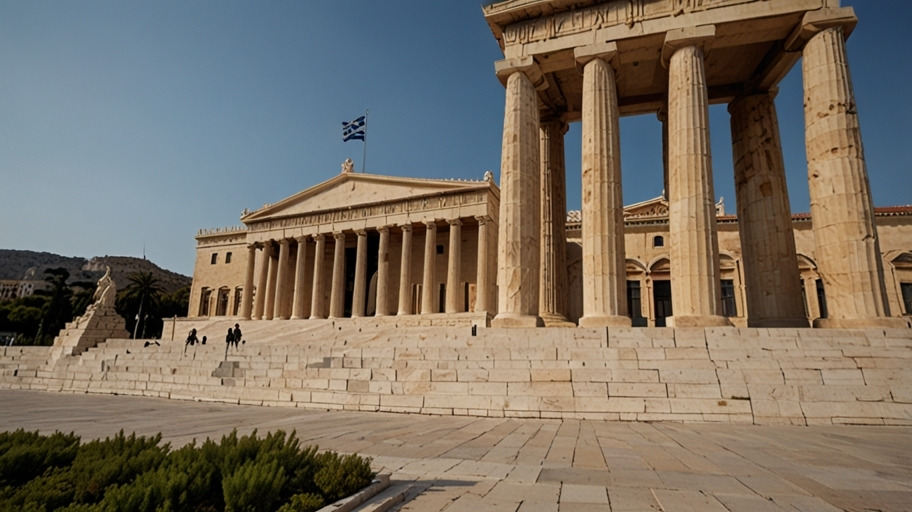
While significant challenges remain, including high public debt and unemployment, Greece's commitment to reform and sustainable growth offers a hopeful outlook. The country's rich cultural heritage, strategic location, and potential for innovation provide a strong foundation for future development
.
As Greece continues its recovery, the lessons learned from the debt crisis will undoubtedly shape its economic policies and strategies. The support from the EU and the international community, combined with domestic efforts to foster growth and social welfare, will be crucial in navigating the complexities of the global economy.
In the years to come, Greece's ability to balance economic stability, social equity, and environmental sustainability will determine its success. By building on the progress made and addressing the remaining challenges, Greece can look forward to a more prosperous and resilient future, leaving behind the shadows of its debt crisis and embracing the opportunities of a new era.