Greece's Tourism Industry: Post-Pandemic Recovery and Future Prospects
Introduction
Greece, with its stunning landscapes, rich history, and vibrant culture, has long been a premier tourist destination. The tourism sector is a critical component of the Greek economy, contributing significantly to GDP, employment, and regional development. However, the COVID- 19 pandemic brought unprecedented challenges to this vital industry. This article delves into the post-pandemic recovery of Greece's tourism industry, examining the measures taken to revive it, the current state of affairs, and the future prospects that lie ahead.
The Impact of the Pandemic on Greek Tourism
The COVID-19 pandemic had a severe impact on global tourism, and Greece was no exception. In 2019, Greece welcomed approximately 31.3 million international tourists, generating over €18 billion in revenue. However, in 2020, international arrivals plummeted by 76.5%, and revenues dropped by nearly 78%, causing a substantial economic blow.
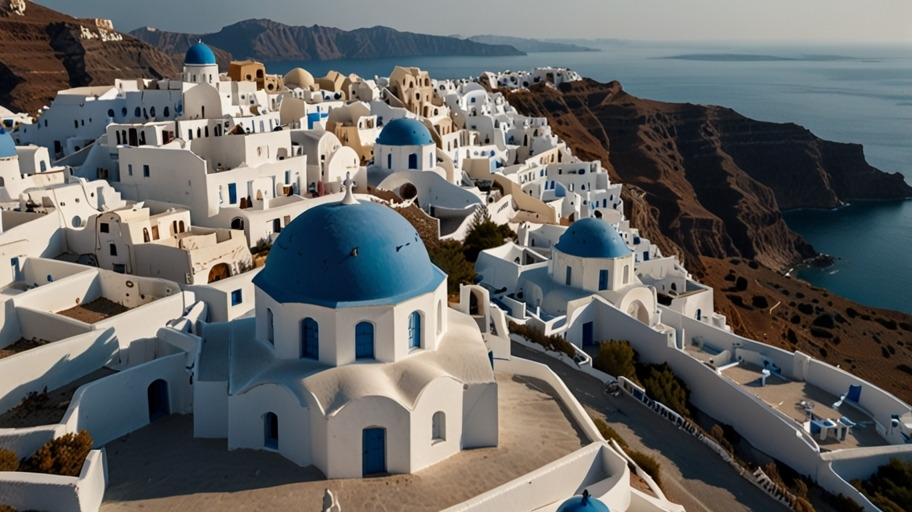
The Greek government implemented strict lockdowns, travel restrictions, and health protocols to curb the spread of the virus. These measures, while necessary for public health, severely restricted the movement of people and halted the influx of tourists. The tourism-dependent regions, such as the islands of Crete, Santorini, and Mykonos, experienced significant economic hardships, with many businesses struggling to survive.
Government Measures for Recovery
Recognizing the importance of tourism for economic recovery, the Greek government introduced several measures to support the industry. These initiatives aimed to provide immediate relief to affected businesses and lay the groundwork for a sustainable recovery.
-
Financial Support and Subsidies: The government provided financial assistance to tourism-related businesses, including grants, loans, and subsidies. These funds helped cover operational costs, employee salaries, and other essential expenses. Additionally, tax relief measures were implemented to ease the financial burden on businesses.
- Health and Safety Protocols: To ensure the safety of both tourists and residents, Greece developed comprehensive health and safety protocols. These measures included regular sanitization, social distancing guidelines, and mandatory mask-wearing in public spaces. The “Health First” certification was introduced for hotels and other tourist facilities to build confidence among visitors.
- Vaccination Campaign: Greece prioritized the vaccination of tourism workers and residents of popular tourist destinations. This strategy aimed to create safe travel corridors and infantile potential tourists about the safety of visiting Greece. The vaccination campaign was crucial in rebuilding trust and attracting tourists back to the country.
- Digital Transformation: The pandemic accelerated the digital transformation of the tourism industry. Greece invested in digital tools and platforms to enhance the visitor experience. Online booking systems, contactless payments, and virtual tours became integral parts of the tourism ecosystem, catering to the evolving preferences of travelers.
The Recovery Phase
As the world gradually emerged from the pandemic, Greece's tourism industry embarked on a path to recovery. The 2021 summer season marked a turning point, with a significant increase in tourist arrivals compared to the previous year. While still below pre-pandemic levels, the recovery was promising and indicated the resilience of the Greek tourism sector.
Domestic Tourism
One of the key drivers of recovery was the resurgence of domestic tourism. With international travel restrictions still in place in many countries, Greeks turned to explore their own country. This shift not only provided a lifeline to local businesses but also helped in rediscovering lesser- known destinations. Regions like Peloponnese, Epirus, and Thessaly saw an influx of domestic tourism, showcasing the diverse offerings of Greece beyond the popular islands.
International Tourism
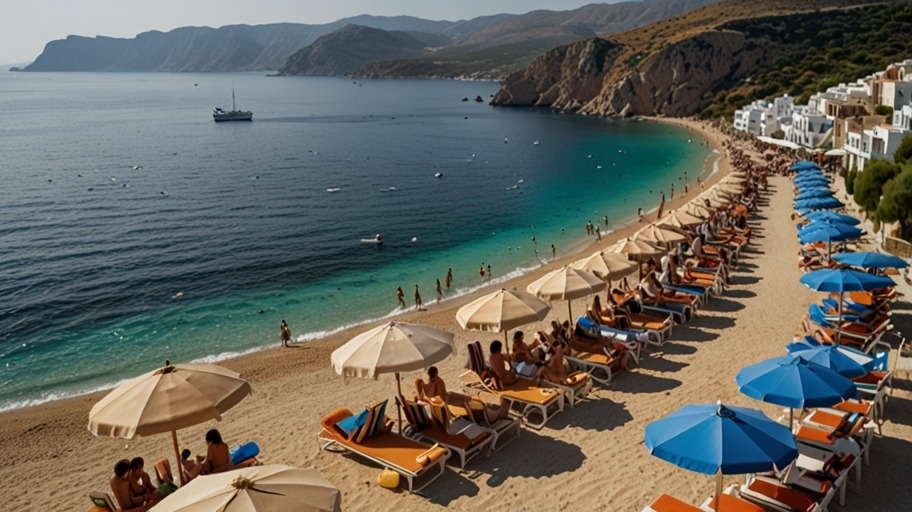
International tourism also showed signs of revival, albeit gradually. Greece's strategic location and well-developed tourism infrastructure played a crucial role in attracting visitors from neighboring countries and beyond. The “blue freedom” initiative, which focused on promoting island destinations as COVID-free zones, successfully drew tourists seeking a safe and relaxing vacation.
Key Factors Driving Recovery
Several factors contributed to the recovery of Greece's tourism industry:
- Natural and Cultural Attractions: Greece's natural beauty, historical sites, and cultural heritage continued to be major attractions for tourists. The Acropolis in Athens, the archaeological sites of Delphi and Olympia, and the pristine beaches of the Aegean and Ionian Seas remained popular destinations.
-
Adaptation to New Trends: The pandemic altered travel preferences, with tourists seeking more personalized and sustainable experiences. Greece capitalized on this trend by promoting eco-tourism, agri-tourism, and wellness tourism. These niche markets not only attracted a new segment of travelers but also contributed to the preservation of local traditions and environments.
- Flexible Travel Policies: Greece adopted flexible travel policies, including relaxed cancellation policies and travel insurance options. These measures provided tourists with peace of mind and encouraged bookings, even amidst uncertainty.
- Collaborations and Partnerships: The Greek tourism industry fostered collaborations between public and private sectors. Partnerships with international travel agencies, airlines, and online travel platforms helped in promoting Greece as a desirable destination. Marketing campaigns highlighting the unique experiences Greece offers played a significant role in attracting tourists.
Challenges and Future Prospects
Despite the positive signs of recovery, several challenges persist. Addressing these challenges will be crucial for the sustainable growth of Greece's tourism industry in the future.
Challenges
- Seasonality: Greece's tourism industry is highly seasonal, with a peak during the summer months. This seasonality creates economic vulnerabilities, as businesses struggle during the off-season. Diversifying the tourism offerings to promote year-round travel is essential to mitigate this challenge.
-
Overtourism: Popular destinations like Santorini and Mykonos face issues of overtourism, leading to environmental degradation and strain on local infrastructure. Implementing sustainable tourism practices and promoting lesser-known destinations can help in managing the impact of tourism.
- Climate Change: The effects of climate change pose a long-term threat to Greece's tourism industry. Rising sea levels, extreme weather events, and changing ecosystems can impact the attractiveness of coastal and island destinations. Investing in climate resilience and sustainable tourism practices is vital for safeguarding the industry.
- Global Competition: Greece faces stiff competition from other Mediterranean and global destinations. To maintain its competitive edge, Greece needs to continuously innovate and offer unique experiences that set it apart from other tourist hotspots.
Future Prospects
The future of Greece's tourism industry looks promising, with several opportunities for growth and development:
- Sustainable Tourism: Embracing sustainable tourism practices can position Greece as a leader in responsible travel. Initiatives such as promoting eco-friendly accommodations, supporting local communities, and preserving natural and cultural heritage will attract environmentally conscious travelers.
-
Cultural Tourism: Greece's rich history and cultural heritage offer immense potential for cultural tourism. Promoting cultural events, festivals, and heritage sites can attract tourists interested in immersive and educational experiences.
- Digital Innovation: Continued investment in digital tools and technologies can enhance the visitor experience. Virtual reality tours, augmented reality guides, and smart tourism applications can provide interactive and informative experiences for tourists.
- Health and Wellness Tourism: The growing interest in health and wellness tourism presents an opportunity for Greece to develop specialized offerings. Wellness retreats, spa resorts, and health-focused activities can attract tourists seeking relaxation and rejuvenation.
- Adventure and Outdoor Tourism: Greece's diverse landscapes offer opportunities for adventure and outdoor tourism. Activities such as hiking, cycling, sailing, and water sports can attract adventure enthusiasts and nature lovers.
Conclusion
Greece's tourism industry has demonstrated resilience and adaptability in the face of unprecedented challenges brought about by the COVID-19 pandemic. The recovery journey has been marked by strategic government interventions, the resurgence of domestic tourism, and the gradual return of international visitors. While challenges such as seasonality, overtourism, and climate change persist, the future prospects for Greece's tourism industry are bright.
By embracing sustainable practices, promoting cultural and niche tourism, and leveraging digital innovation, Greece can continue to attract tourists from around the world. The lessons learned from the pandemic will undoubtedly shape the future of tourism in Greece, ensuring that it remains a vibrant and vital part of the country's economy and cultural identity. As the world moves forward, Greece stands poised to welcome travelers with its timeless charm and unparalleled hospitality.